
I performed a typographic review on Stake Casino. My main inquiry was simple: does the text on the site make things easy for players, or does it get in the way? I looked at how consistent and readable the font sizes were in all the major sections.
Campaign Pages and Terms & Conditions
This is where Stake’s typography executes a complete about-face. Headlines and bonus amounts on promo pages are massive, colorful, and crafted to grab you. They do their job perfectly.
Then you tap the “Terms and Conditions” link. That crucial legal text is in a significantly tinier, tight paragraph format. The lines stretch very long across the page. While the contrast meets basic standards, going through it for more than a minute becomes a chore. This vast gap between the thrilling offer and the fine print constitutes a classic industry move, but it’s nevertheless worth highlighting.
Site Navigation and Menu Legibility
The main menus use a sleek, sans-serif typeface. Large tabs like “Sports,” “Casino,” and “Live Casino” are in a strong, clear size that’s easy to spot. But when you get to sub-links and your account balance, the text shrinks.
This does form a visual structure. The drawback is that checking your balance demands a bit more focus. That value could be a little bigger without spoiling the site’s sleek, dark look. I will say, the white text on the dark background is clear and easy on the eyes.
Live Casino Interface and Instant Text
The real-time casino has to process text over a live video feed. Details like the croupier’s name, the game state, and wagering limits are placed on the stream. The text sizes here are functional and generally perform well.
Essential information, like betting info and chip denominations, are bolded and sufficiently large to see in a moment. The community chat box is a separate issue. Its font is very small. In a rapid game, chat is not the priority, but this text size may prevent users from joining the conversation. The design obviously places game data first.
My Process for Measuring Stake’s Typography

I entered Stake from my desktop in Canada, using a standard 1080p monitor. I chose four areas to scrutinize closely: the main navigation, the game lobby, the live casino, and the promo pages. To get exact numbers, I used my browser’s developer tools to check pixel sizes and contrast levels.
My evaluation for readability was practical. Could I scan a page and find what I needed without squinting? Could I easily read game rules or my bet slip? I also observed how the site used different font sizes and weights to guide my eyes to the most important content.
Lobby Screen and Image Text Analysis
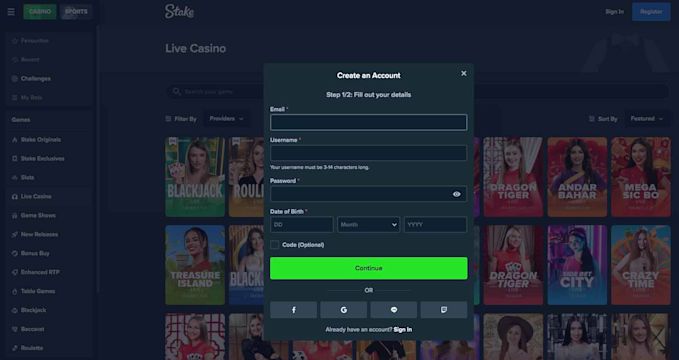
The game lobby can be hectic. Game thumbnails take center stage, with each title written over the image. The font size for these titles is mostly fine. What was noticeable was the uneven treatment.
Some game providers use a bolder font than others, which makes the grid look a bit uneven. The “Provider” filter menu is the real problem—its text is very small. When you’re quickly looking for a specific provider, that tiny text makes it harder. Increasing the size a little would be very beneficial.
- Game Titles: Generally readable, but the thumbnail background can get in the way.
- Provider Filters: The font size is too small for quick browsing.
- Category Headers: Well-sized, bold size that clearly separates sections.
- Search Result Text: The size is acceptable, but the lines lack sufficient spacing.
General Accessibility and User Experience Impact
My opinion is that Stake utilizes font sizes to guide you to where it wants you to go. Places where you’re meant to engage—like game tiles, odds, and the bet slip—are highly readable. Background or administrative info often gets reduced.
For a typical user with good vision, this provides a smooth, game-focused experience. But it does introduce some small barriers. Anyone with less-than-perfect eyesight might find the smaller menu text, filters, and especially the terms and conditions a real difficulty.
The site’s high contrast and clean font are big advantages. If they boosted the size of that secondary text by just a pixel or two, it would render the platform more welcoming for everyone, without changing its modern look. The basics are solid. They just need to polish the details.
Sportsbook Odds and Wager Slip Clarity
The sportsbook packs in a massive amount of data. Odds for countless events are displayed in tight tables. The odds themselves are in a strong, readable font that makes comparing numbers fast. Team names and league info are a bit smaller, but remain readable.
I was pleased by the bet slip. It’s a example of good design. Everything you need to know—your stake, potential payout, the odds—is laid out in a clear, well-spaced format with clear size differences. The “Place Bet” button is big and difficult to miss. This section demonstrates they grasp how to use type for a critical task.
FAQ
What made you concentrate on font sizes in this review?
Text size is a core part of how a website works. It determines the speed at which you can get information and make choices. On a betting site like Stake, where swiftness and clearness matter, readability has a immediate effect on whether you have a pleasant experience or become annoyed.
Were any significant accessibility problems discovered?
I didn’t find complete breakdowns, but there remain clear weak points. The minuscule text in filtering menus and the mass of tiny text in the Terms and Conditions are problematic. They don’t follow the optimal recommendations for pleasant reading, and that may shut some people out.
Which area of Stake is most readable?
The betting odds and the wager slip are the easiest to read. They employ a smart blend of type sizes and font weights to present intricate numbers in a neat way. This approach helps prevent slips when you’re making a bet, which is just what you need.
Based on this typography analysis, would you suggest Stake?
If your sight is average, Stake’s layout functions well and looks good. The site excels showcasing the information you require to gamble. I’d suggest it, with one condition: if you usually need larger text, you might discover sections of the menus and the terms difficult to read.